-
 +91 98551-63355
 - nagpaljointclinic@gmail.com
+91 98551-63355


.png)


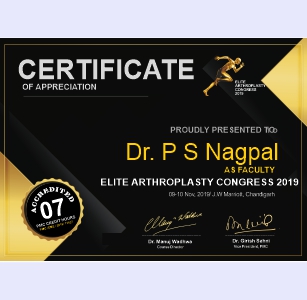
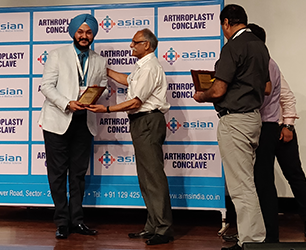
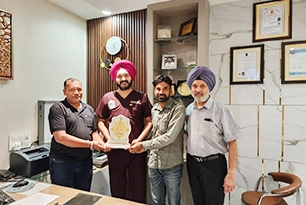
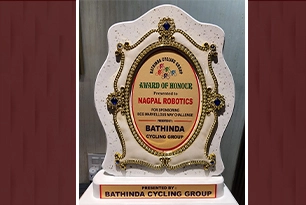
Dr. Parampreet Singh Nagpal is Northern India's first joint surgeon who operate with 2 different joint robots under one roof. One is Cuvis by Maxx Meril(Punjab’s first fully Active Joint Robot) and another one is Cori by Smit & Nephew(Semi Active Joint Robot). Now patients have 6 different implant options to choose from with 2 Robots. Nagpal Hospital's hardworking Orthopedic team has done more than 13000 successful Joint Surgeries.

This is one of the most honest questions patients in Punjab ask before knee replacement surgery: "Doctor, I'm heavy. Will my weight cause problems with the surgery or recovery?"
The truth is — weight does matter in knee replacement surgery, but not in the way most people fear. Being overweight doesn't disqualify you from getting the surgery you need. But it does affect certain aspects of the procedure, recovery, and long-term results. In this article, Dr. Parampreet Singh Nagpal explains everything clearly so you can make an informed decision.
Your knee bears approximately 3 to 5 times your body weight with every step you take. When you climb stairs or squat, this force multiplies further. This is why excess weight is one of the leading causes of knee osteoarthritis — more weight means more wear on the cartilage, and once that cartilage is gone, bone rubs painfully on bone.
For patients already suffering from advanced arthritis, this creates a frustrating cycle: the knee pain makes exercise nearly impossible, which makes losing weight extremely difficult. If you're in this situation, Dr. Nagpal understands — and has helped thousands of patients in exactly the same position.
Studies consistently show that patients with higher BMI (Body Mass Index) tend to have:
However — and this is critical — the pain relief and improvement in quality of life after knee replacement is equally significant in overweight patients as in normal-weight patients. The surgery works. The outcomes are good. The risks are manageable, especially with robotic precision.
Traditional knee replacement in obese patients is particularly challenging because anatomical landmarks are harder to identify in the presence of excess soft tissue. This is where robotic surgery at Nagpal Robotics makes a major difference:
Because of these advantages, Dr. Nagpal has successfully performed knee replacement surgery on hundreds of patients with higher BMI — including patients referred by other hospitals who were told they were "too heavy" for conventional surgery.
Ideally, yes — even a small reduction in weight significantly improves surgical safety and recovery. Here's why:
But here's the reality that Dr. Nagpal acknowledges openly: many patients with severe knee arthritis literally cannot exercise enough to lose significant weight. The pain is too severe. In such cases, delaying surgery to lose weight is not always practical or advisable — the ongoing pain and inactivity often causes further weight gain.
The approach at Nagpal Robotics is to evaluate each patient individually and find the safest path forward. Sometimes that means managing a few modifiable risk factors (blood sugar control, stopping smoking, addressing anaemia) before scheduling surgery — not necessarily major weight loss.
If you want to make an effort to reduce weight before surgery, here are approaches that work even when walking and exercise are painful:
After successful knee replacement, the pain that prevented exercise disappears. This is an opportunity many patients use to their advantage. Dr. Nagpal's patients who lose weight post-surgery significantly improve their implant longevity. Every kilogram reduced post-surgery extends the life of the implant.
Nagpal Robotics provides a structured physiotherapy and rehabilitation programme after surgery — which, combined with dietary discipline, helps many patients achieve a healthier weight within 6–12 months of surgery.
Q: I am 100 kg. Can I have knee replacement in Punjab?
A: Yes, absolutely. Dr. Nagpal regularly performs surgery on patients in this weight range. A thorough pre-operative evaluation will assess your fitness and any risk factors that need to be managed before surgery.
Q: Will my insurance cover knee replacement if I am obese?
A: Yes. Health insurance covers knee replacement surgery regardless of BMI. Nagpal Robotics has cashless facility with major insurers. Contact us to verify your specific policy.
Q: How does robotic surgery help obese patients specifically?
A: Robotic surgery provides precise bone cuts using CT-data rather than visual landmarks, which is especially valuable in obese patients where landmarks are harder to identify. This reduces malalignment risk and improves long-term implant survival.
Talk directly to Dr. Parampreet Singh Nagpal at Nagpal Robotics Bathinda. Get an honest, personalised assessment — not a one-size-fits-all answer.
Book Free Consultation Call: +91 98551-63355Powered by Nagpal Robotics @2026
Created With ❤️ By Digital Dots