-
 +91 98551-63355
 - nagpaljointclinic@gmail.com
+91 98551-63355


.png)


Dr. Parampreet Singh Nagpal is Northern India's first joint surgeon who operate with 2 different joint robots under one roof. One is Cuvis by Maxx Meril(Punjab’s first fully Active Joint Robot) and another one is Cori by Smit & Nephew(Semi Active Joint Robot). Now patients have 6 different implant options to choose from with 2 Robots. Nagpal Hospital's hardworking Orthopedic team has done more than 13000 successful Joint Surgeries.
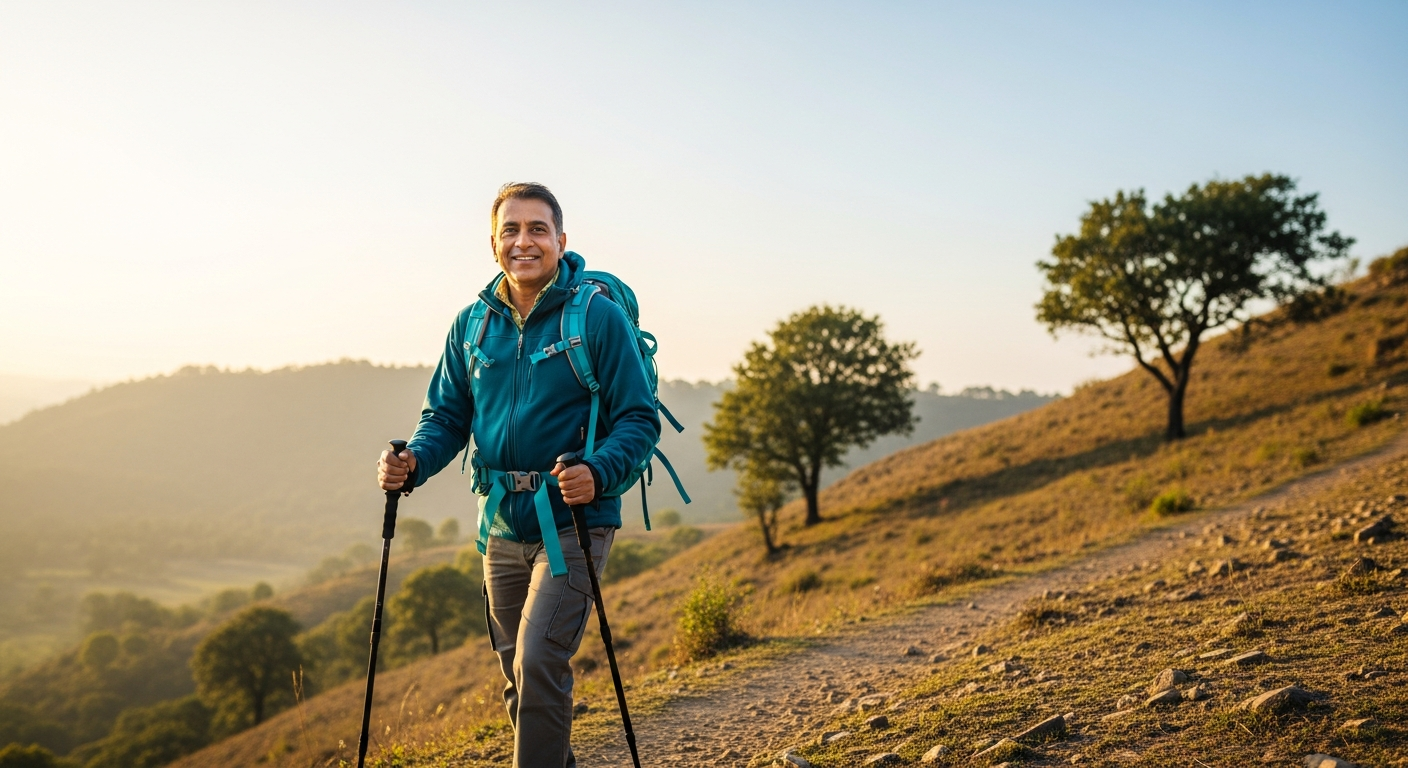
Many patients at Nagpal Robotics travel from other cities — Amritsar, Ludhiana, Sirsa, Sri Ganganagar, Chandigarh, even Delhi — specifically for robotic knee replacement with Dr. Parampreet Singh Nagpal. Once surgery is done, a common and very practical question arises: "When can I travel home? And when can I go to my daughter's wedding in Jalandhar next month?"
Travel after knee replacement requires thoughtful planning. The main concern isn't comfort — it's the risk of blood clots (DVT) during prolonged immobility in transit. This guide gives you clear, safe timelines and practical tips for every mode of travel.
| Travel Type | Earliest Safe Timing | Notes |
|---|---|---|
| Short car journey (1–2 hours) | 2–3 weeks | Stop every 45 min, walk briefly, stretch |
| Medium car journey (3–5 hours) | 4–6 weeks | Frequent stops essential. Recline seat if possible. |
| Long car journey (6+ hours) | 8–10 weeks | Only after Dr. Nagpal's specific clearance |
| Auto/rickshaw (short) | 4–6 weeks | Bumpy ride — use cushioning. Avoid if road is rough. |
| Train (short – 2–3 hours) | 4–6 weeks | Preferred over car. Aisle seat for leg movement. |
| Train (long distance – overnight) | 6–8 weeks | Lower berth essential. Move frequently. Stay hydrated. |
| Domestic flight (under 3 hours) | 6 weeks (with clearance) | Aisle seat, move every 30–45 min, compression stockings |
| International flight (6+ hours) | 3 months minimum | High DVT risk. Discuss with Dr. Nagpal before booking. |
| Bus (local/state) | 6–8 weeks | Rough ride increases knee discomfort. Avoid if possible. |
| Motorcycle/scooter as passenger | 6–8 weeks | Short distances only. Knee must not be in cramped position. |
During prolonged sitting — whether in a car, train, or airplane — blood pools in the leg veins because the calf muscles aren't pumping it back to the heart effectively. After knee replacement, you're already at elevated DVT risk (you're on blood thinners for this reason). Adding prolonged immobility in transit multiplies this risk significantly.
This doesn't mean you can't travel — it means you need to be strategic about moving, hydrating, and taking your medications during travel.
Many patients travel from far away for surgery with Dr. Nagpal. For these patients, here's what we recommend:
Punjab's social calendar is packed with weddings, gurudwara events, and family gatherings. Patients frequently ask whether they can attend. The honest guidance:
Q: I have my son's wedding abroad 2 months after surgery. Can I fly?
A: This needs careful individual assessment. Two months is borderline for an international long-haul flight. Dr. Nagpal will evaluate your recovery progress, blood clot risk factors, and flight duration to make a personalised recommendation. Do not book without consulting us first.
Q: What documents should I carry when travelling after knee replacement?
A: Carry your surgery discharge summary, current medication list, Nagpal Robotics contact number, implant information card (provided at discharge), and your health insurance card.
Q: Will airport metal detectors detect my knee implant?
A: Yes — knee replacement implants usually trigger airport metal detectors. Carry your implant card (provided by Nagpal Robotics at discharge) which identifies you as a joint replacement patient. Airport security is experienced with this and will conduct a brief security check by hand instead.
We help patients from across Punjab, Haryana, Rajasthan, and beyond plan their surgery visit smoothly. Contact us for travel planning guidance.
Book Consultation +91 98551-63355Powered by Nagpal Robotics @2026
Created With ❤️ By Digital Dots