-
 +91 98551-63355
 - nagpaljointclinic@gmail.com
+91 98551-63355


.png)


Dr. Parampreet Singh Nagpal is Northern India's first joint surgeon who operate with 2 different joint robots under one roof. One is Cuvis by Maxx Meril(Punjab’s first fully Active Joint Robot) and another one is Cori by Smit & Nephew(Semi Active Joint Robot). Now patients have 6 different implant options to choose from with 2 Robots. Nagpal Hospital's hardworking Orthopedic team has done more than 13000 successful Joint Surgeries.
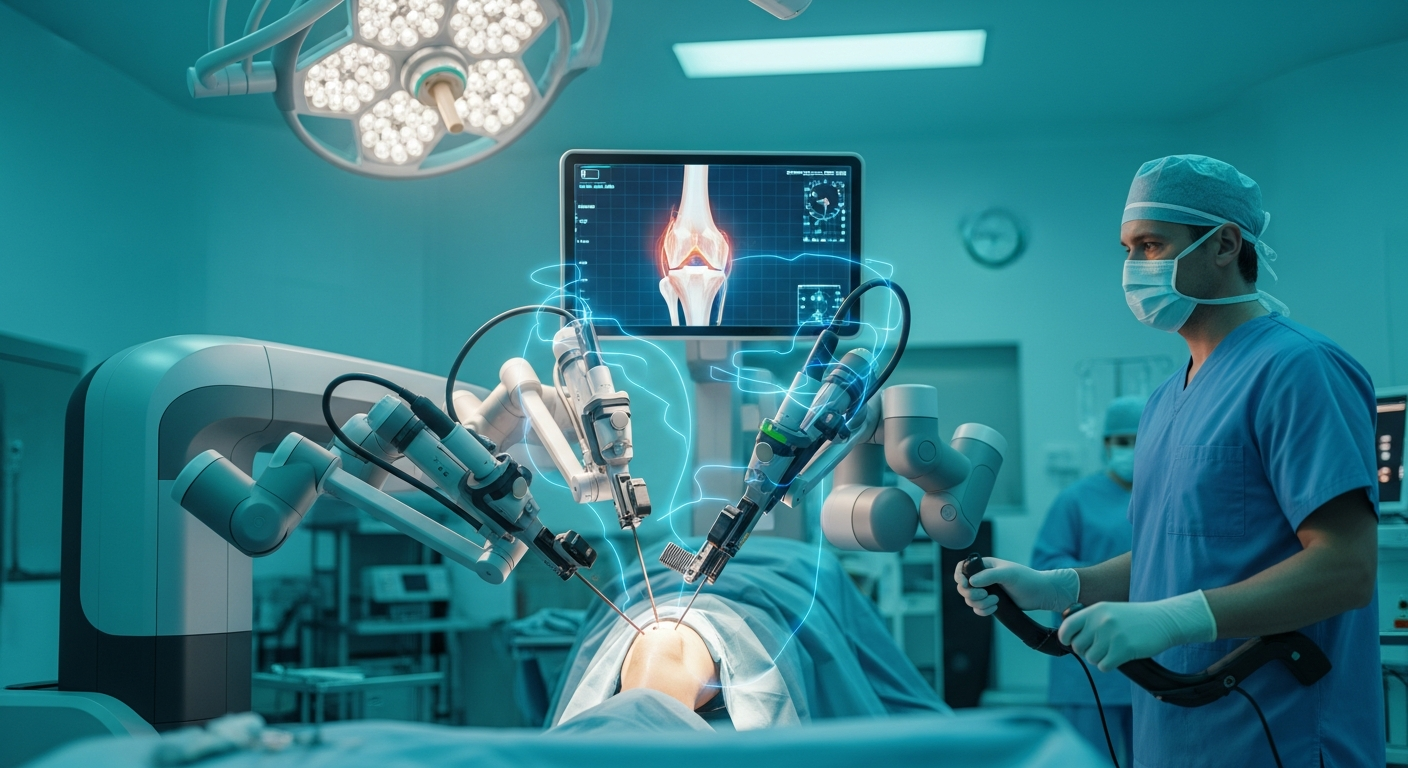
When patients come to Nagpal Robotics in Bathinda for a consultation, some of them arrive with a different kind of problem — not worn-out natural knees, but worn-out or failing knee replacement implants from previous surgeries done elsewhere. Some had their original surgeries years ago at other centres and are now experiencing new pain, instability, or mechanical problems. They need what is called a second knee replacement or revision knee replacement surgery.
In this article, Dr. Parampreet Singh Nagpal explains when a second knee replacement becomes necessary, what causes it, how to detect problems early, and what the revision surgery involves at Nagpal Robotics.
This is an important clarification. "Second knee replacement" can mean two different things:
This article focuses primarily on revision surgery — redoing the same knee — which is what most people mean when they worry about "needing to do it again."
With good quality surgery and appropriate activity, a modern knee replacement implant should last 20–25 years. The majority of patients will never need a revision. However:
Registry data shows that approximately 5–8% of conventional knee replacements need revision within 10 years. With robotic-assisted surgery (as done at Nagpal Robotics), this rate is expected to be significantly lower due to superior alignment.
If you've had knee replacement surgery previously and notice any of these, consult Dr. Nagpal immediately:
The polyethylene (plastic) bearing surface inside the implant gradually wears with use over years and decades. Once worn through, it causes pain, bone damage, and loosening. This is the most common reason for revision surgery after 15+ years.
The implant gradually loses its bond to the bone without infection. Often caused by malalignment, excess weight, or high-impact activity. Causes progressive pain and instability.
One of the most serious complications. Bacteria can infect the implant — either during surgery, or later from other infections in the body (dental, urinary, skin). Early infection (within weeks) and late infection (years after surgery) are both possible. Always inform your dentist or any doctor about your knee implant before any procedure.
If the original implant was placed incorrectly (not uncommon with conventional manual surgery), it causes accelerated, uneven wear and persistent pain. This is one of the most frustrating situations for patients — the knee was "fixed" but never really worked right. Robotic-assisted revision surgery can correct this.
A fracture of the bone around an existing implant — often from a fall or trauma. May require revision surgery combined with fracture fixation.
Excessive scar tissue formation causes severe stiffness. In some cases, this can only be resolved surgically.
Dr. Parampreet Singh Nagpal is one of the very few surgeons in Punjab with specific expertise in robotic-assisted revision knee replacement. Revision surgery is significantly more complex than primary surgery because:
Robotic assistance is even more valuable in revision surgery than in primary surgery — because CT-based planning can map existing bone loss, and robotic guidance ensures the new implant is positioned correctly despite altered anatomy.
Don't wait and hope the pain goes away. Early detection and intervention give significantly better outcomes in revision surgery. Contact Nagpal Robotics for:
Dr. Nagpal reviews many second opinions from patients whose original surgeons dismissed their pain as "normal." If something doesn't feel right with your knee replacement — trust that instinct and get it properly evaluated.
The best way to avoid needing a second knee replacement is to get the first one done perfectly. This means:
This is why patients from across Punjab — and beyond — travel to Nagpal Robotics in Bathinda to get their knee replacement done correctly the first time.
Q: My knee replacement from 8 years ago has started hurting again. Should I see Dr. Nagpal?
A: Yes — absolutely. New pain after a pain-free period is the most important early warning sign of implant problems. Early evaluation allows for less invasive intervention options. Do not delay.
Q: My original surgery was done at a different hospital. Can Nagpal Robotics still help?
A: Yes. Dr. Nagpal regularly evaluates and treats patients whose original surgeries were done elsewhere — in Punjab, other states, or even abroad. Bring all your original operation records, implant details, and X-rays for the evaluation.
Q: Is revision knee surgery covered by insurance?
A: Yes — most health insurance policies cover revision knee replacement surgery as a medical necessity. Nagpal Robotics assists with all insurance documentation and pre-authorisation for revision surgery.
Dr. Parampreet Singh Nagpal at Nagpal Robotics Bathinda — Punjab's leading robotic revision knee replacement specialist. 3000+ surgeries. 98% success rate.
Book Evaluation +91 98551-63355Powered by Nagpal Robotics @2026
Created With ❤️ By Digital Dots