 +91 98551-63355


.png)





Robotic Knee Replacement in Bathinda: Cost, Benefits & Recovery Time Explained
Knee pain can slowly turn everyday life into a struggle. Climbing stairs becomes difficult, walking even short distances feels painful, and simple activities like sitting and standing require effort. For many patients suffering from advanced arthritis or severe joint damage, robotic knee replacement in Bathinda is emerging as a modern and precise solution.
With advancements in medical technology, robotic-assisted surgery offers improved accuracy, better alignment, and potentially faster recovery compared to traditional techniques. In this guide, we explain the cost, benefits, and recovery timeline so you can make an informed decision.
What Is Robotic Knee Replacement?
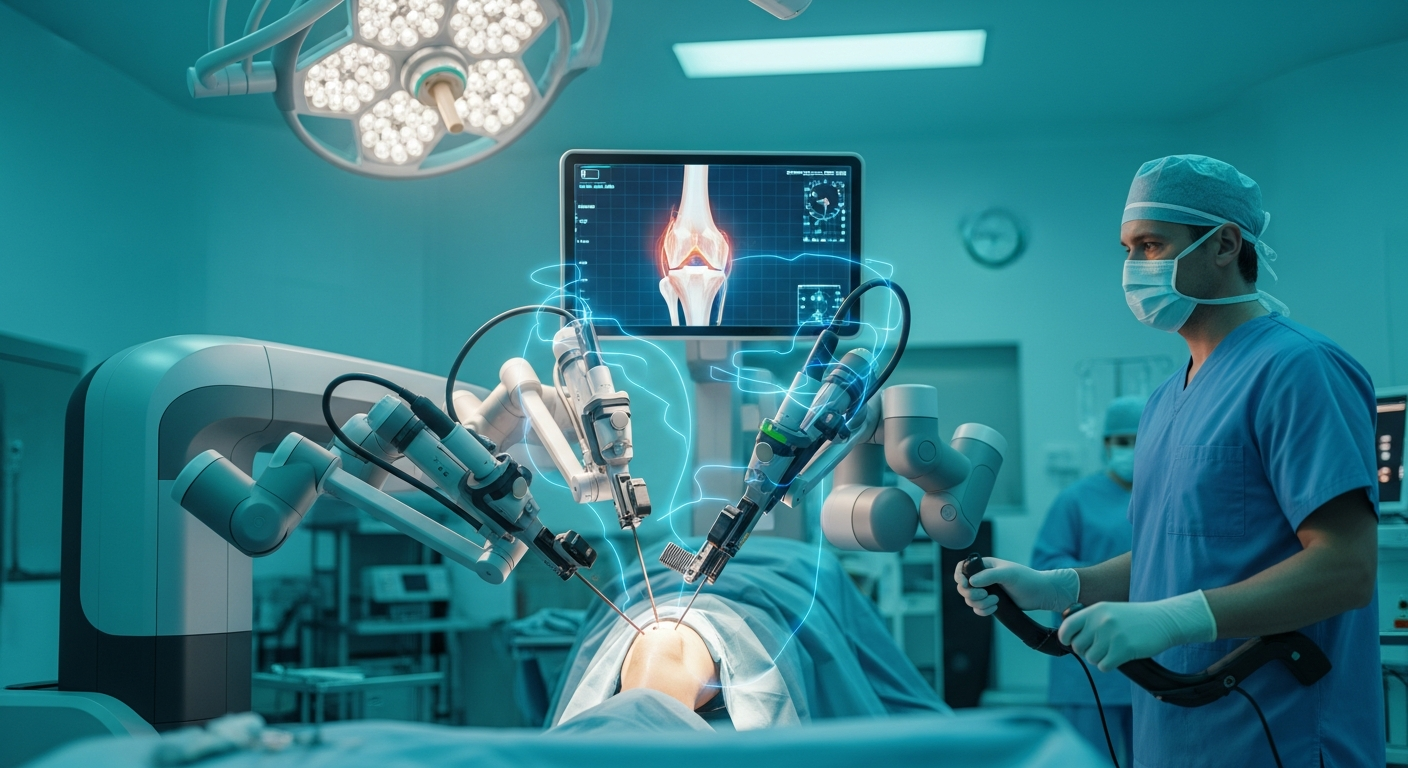
Robotic knee replacement is an advanced form of total knee replacement surgery where a robotic system assists the orthopedic surgeon in performing the procedure with enhanced precision. The robot does not operate independently; it is controlled by an experienced surgeon who uses real-time data and 3D imaging to ensure accurate placement of the knee implant.
Unlike conventional surgery, robotic systems allow customized surgical planning according to the patient’s anatomy. This precision helps reduce damage to surrounding tissues and improves joint alignment.
If you are exploring whether this advanced procedure is suitable for you, you may also want to understand when robotic knee replacement becomes necessary, which we have explained in detail in our related guide on knee pain and surgical indications.
Who Needs Robotic Knee Replacement?
Patients may require robotic knee replacement surgery in Bathinda if they have:
Severe osteoarthritis
Rheumatoid arthritis
Post-traumatic arthritis
Bone-on-bone knee condition
Chronic knee pain not responding to medication or physiotherapy
Limited mobility affecting daily life
When non-surgical treatments such as injections, medications, or physiotherapy fail to provide relief, surgery becomes the next step.
Cost of Robotic Knee Replacement in Bathinda
One of the most common questions patients ask is about the robotic knee replacement cost in Bathinda.
Average Cost Range
The cost typically depends on:
Type of implant used
Hospital infrastructure
Surgeon’s experience
Room category
Medical condition of the patient
On average, robotic knee replacement surgery in Bathinda may range between ₹2,50,000 to ₹4,50,000 per knee. However, prices can vary depending on individual medical needs.
It is important to discuss what is included in the package, such as:
Pre-surgery tests
Operation charges
Implant cost
Hospital stay
Physiotherapy sessions
If you are comparing options, it is advisable to choose a center known for advanced knee replacement surgery in Bathinda rather than focusing only on cost.
Benefits of Robotic Knee Replacement
Robotic-assisted knee replacement offers several advantages over traditional surgery.
1. Higher Surgical Precision
The robotic system provides real-time feedback and 3D mapping of the knee joint. This helps the surgeon position the implant accurately, improving joint balance and alignment.
2. Less Tissue Damage
Because the surgery is more precise, surrounding muscles and ligaments are preserved better, which can reduce post-operative pain.
3. Faster Recovery
Many patients experience quicker mobility compared to traditional surgery. In our detailed article on how long it takes to walk after robotic knee replacement, we explain the walking milestones week by week.
4. Improved Implant Longevity
Better alignment may help implants last longer and reduce the risk of early revision surgery.
5. Reduced Risk of Complications
Improved planning and accuracy may lower the chances of implant misalignment.
If you are concerned about safety and potential risks, you can also read our comprehensive guide on whether robotic knee replacement is safe, where we discuss success rates and complication statistics in detail.
Is Robotic Knee Replacement Safe?
Safety is a major concern for patients considering surgery. Robotic knee replacement is considered safe when performed by a qualified orthopedic surgeon using advanced systems.
Studies show high success rates and improved patient satisfaction. Complications such as infection, blood clots, or implant issues are rare but possible, as with any major surgery.
The key factors that ensure safety include:
Experienced surgeon
Proper hospital infrastructure
Accurate pre-operative evaluation
Post-surgery physiotherapy
Choosing the right hospital for robotic knee replacement in Bathinda plays a major role in overall safety and success.
Recovery Time After Robotic Knee Replacement
Recovery varies from patient to patient depending on age, fitness level, and overall health.
Immediate Post-Surgery Phase (Day 1–3)
Patients usually start standing and walking with support within 24 hours.
Pain is managed with medication.
Basic physiotherapy exercises begin.
First 2 Weeks
Walking improves gradually.
Swelling and mild discomfort may persist.
Sutures are removed after 10–14 days.
4–6 Weeks
Most patients can walk independently without support.
Daily activities become easier.
Driving may resume if approved by the doctor.
3 Months
Significant improvement in mobility.
Reduced stiffness.
Ability to climb stairs more comfortably.
For a more detailed recovery roadmap, you may explore our guide on life after robotic knee replacement, which explains what patients in Bathinda can expect during long-term recovery.
Physiotherapy After Surgery
Physiotherapy is essential for full recovery. It helps:
Improve joint flexibility
Strengthen surrounding muscles
Restore balance
Reduce stiffness
Skipping physiotherapy can delay recovery and affect final results.
Robotic vs Traditional Knee Replacement
Many patients compare robotic surgery with conventional methods.
Feature Robotic Surgery Traditional Surgery
Precision Higher Surgeon dependent
Tissue Damage Minimal Moderate
Recovery Speed Often faster Standard
Implant Alignment More accurate Manual alignment
If you are unsure which option suits you best, discussing robotic vs traditional knee replacement with your orthopedic specialist in Bathinda is important.
Life After Robotic Knee Replacement
One of the biggest concerns patients have is whether life returns to normal.
Most patients experience:
Significant pain relief
Better mobility
Improved quality of life
Ability to perform daily activities comfortably
After complete recovery, patients can:
Walk long distances
Climb stairs
Travel
Perform light exercises
High-impact sports may still be restricted.
Choosing the Best Hospital in Bathinda
When selecting a hospital for robotic knee replacement, consider:
Surgeon experience
Availability of advanced robotic systems
Success rate
Patient reviews
Post-operative care facilities
A well-equipped hospital ensures better surgical outcomes and smoother recovery.
Conclusion
Robotic knee replacement in Bathinda is transforming orthopedic care by offering precision, improved alignment, and faster recovery. While the cost may be slightly higher than traditional surgery, the long-term benefits often justify the investment.
If you are suffering from chronic knee pain and conservative treatments have failed, consulting an experienced orthopedic surgeon about robotic-assisted knee replacement may be the next step toward a pain-free life.
Early consultation leads to better planning and improved results.
Frequently Asked Questions
Q. What is the cost of robotic knee replacement in Bathinda?
The cost generally ranges between ₹2.5 lakh to ₹4.5 lakh depending on hospital, implant type, and patient condition.
Q. How long does recovery take after robotic knee replacement?
Most patients recover significantly within 6–12 weeks, with full recovery taking around 3 months.
Q. Is robotic knee replacement painful?
Pain is manageable with medication, and many patients report faster pain reduction compared to traditional surgery.
Q. Can elderly patients undergo robotic knee replacement?
Yes, elderly patients can safely undergo surgery after proper medical evaluation.
Q. How long does a robotic knee implant last?
Modern implants can last 15–20 years or more depending on lifestyle and overall health.
Consult Dr. Parampreet Singh Nagpal
Book a consultation for advanced robotic knee replacement surgery in Bathinda.
Call: +91 98555-63355