 +91 98551-63355


.png)








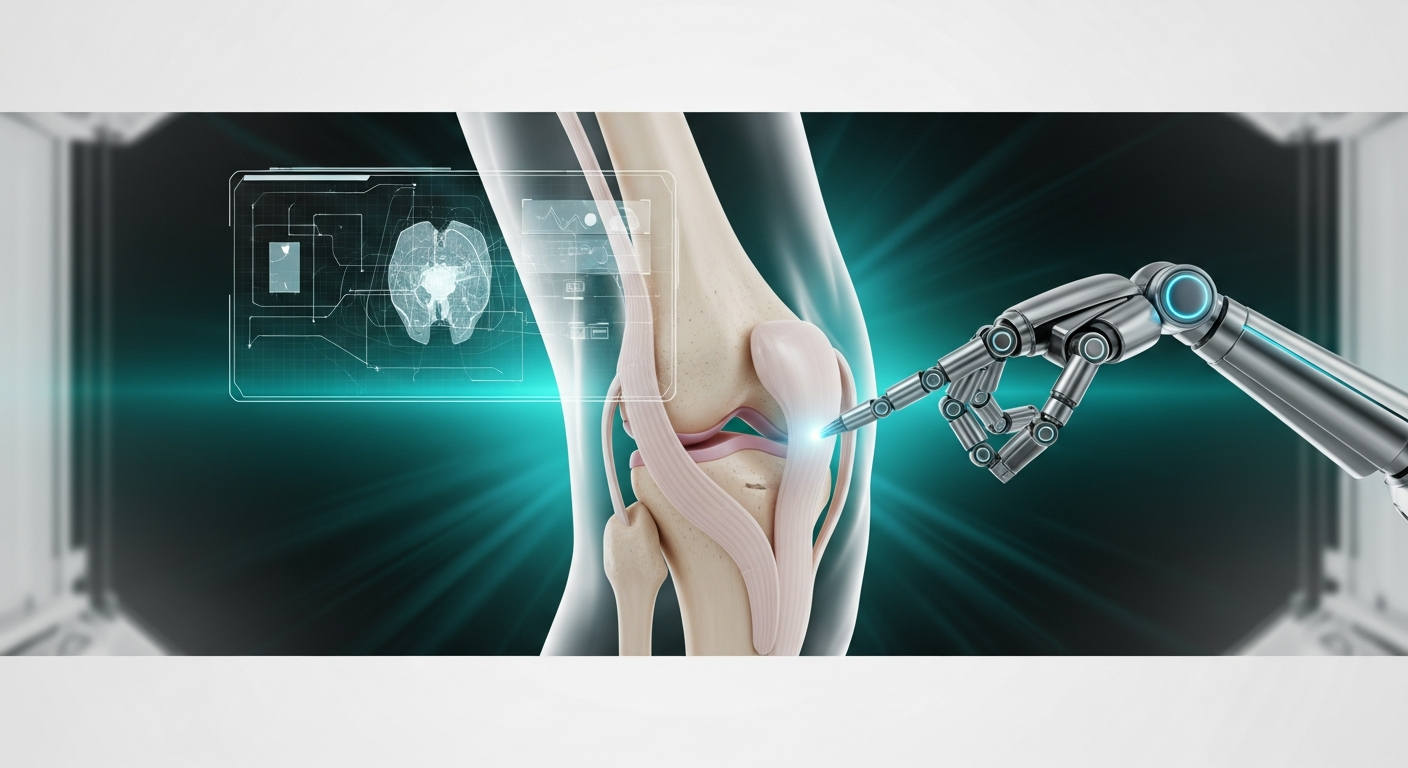
Understanding the Long-Term Impact of Robotic Knee Surgery on Joint Health
Introduction
Knee replacement surgery has transformed the lives of millions of people suffering from chronic knee pain, arthritis, and mobility limitations. With advancements in medical technology, robotic-assisted knee surgery has emerged as a revolutionary approach that enhances precision and personalization.
While immediate recovery and pain relief are important, many patients and families want to understand the long-term impact of robotic knee surgery on joint health. Questions such as implant durability, joint stability, movement quality, and the risk of future complications are common.
This blog explores how robotic knee surgery influences joint health over the long term and why it is considered a significant advancement in orthopedic care.
What Is Robotic Knee Surgery?
Robotic knee surgery is a technology-assisted procedure where surgeons use robotic systems to support the planning and execution of knee replacement surgery.
Key elements include:
Advanced imaging such as CT or MRI scans
AI-based surgical planning
Robotic guidance during bone preparation and implant placement
The robot does not operate independently. The surgeon remains fully in control while using robotic assistance to achieve higher accuracy.
How Robotic Knee Surgery Differs from Traditional Surgery
In traditional knee replacement:
Alignment depends largely on manual techniques
Standard implant positioning is used
Minor inaccuracies may occur
Robotic knee surgery allows:
Patient-specific surgical planning
Real-time adjustments during surgery
Improved implant alignment and balance
These differences play a major role in long-term joint health.
Long-Term Joint Health: Why It Matters
Joint health after knee replacement refers to:
Stability of the joint
Smooth and natural movement
Absence of chronic pain
Longevity of the implant
Poor alignment or imbalance can lead to early implant wear, stiffness, or revision surgery. Robotic technology aims to minimize these risks.
1. Improved Implant Alignment and Longevity
One of the biggest long-term advantages of robotic knee surgery is accurate implant alignment.
Why Alignment Is Important
Proper alignment:
Distributes body weight evenly
Reduces stress on the implant
Prevents uneven wear
Robotic systems help achieve millimeter-level accuracy, which improves implant lifespan and joint stability.
2. Better Joint Balance and Natural Movement
Robotic knee surgery allows surgeons to fine-tune soft tissue balance.
Benefits of Better Joint Balance
More natural knee motion
Reduced stiffness
Improved walking and bending ability
Patients often report that the knee feels more “natural” compared to traditional surgery.
3. Reduced Risk of Long-Term Pain and Complications
Chronic pain after knee replacement is often linked to:
Implant misalignment
Poor soft tissue balance
Uneven load distribution
Robotic assistance reduces these factors, lowering the risk of:
Persistent pain
Implant loosening
Inflammation
This contributes to improved long-term comfort.
4. Lower Chances of Revision Surgery
Revision surgery is required when a knee implant fails or causes problems.
How Robotics Helps
Accurate initial placement
Better joint mechanics
Reduced wear over time
By addressing these factors early, robotic knee surgery reduces the likelihood of future revision procedures.
5. Enhanced Stability During Daily Activities
Long-term joint health is measured by how well patients perform daily activities.
Robotic knee surgery supports:
Improved balance while walking
Greater confidence during movement
Stability on uneven surfaces
This allows patients to maintain an active lifestyle safely.
6. Faster Recovery Leads to Better Long-Term Outcomes
Early recovery influences long-term success.
Robotic surgery often results in:
Less tissue damage
Reduced pain
Faster rehabilitation
Early mobility helps maintain muscle strength and joint flexibility, supporting better long-term joint health.
7. Impact on Arthritis Progression and Adjacent Joints
Poor knee alignment can affect nearby joints such as:
Hips
Ankles
Lower back
Robotic knee surgery improves alignment, reducing strain on surrounding joints and helping prevent secondary joint problems.
8. Patient Satisfaction and Quality of Life Over Time
Studies show higher satisfaction rates among robotic knee surgery patients due to:
Improved comfort
Consistent joint performance
Long-lasting results
Better joint health directly improves quality of life.
Is Robotic Knee Surgery Suitable for Everyone?
Robotic knee surgery benefits many patients, including those with:
Advanced arthritis
Knee deformities
Obesity or complex anatomy
However, suitability depends on individual medical evaluation by an orthopedic surgeon.
The Role of Surgeon Expertise in Long-Term Results
Technology enhances outcomes, but surgeon skill remains critical.
Experienced surgeons:
Interpret robotic data accurately
Make real-time clinical decisions
Customize surgical plans
The combination of expertise and technology delivers the best results.
Future Developments in Robotic Knee Surgery
Future advancements may include:
AI-based outcome prediction
Personalized rehabilitation programs
Smarter implant designs
These innovations will further improve long-term joint health and durability.
Choosing the Right Hospital for Robotic Knee Surgery
For optimal long-term outcomes, patients should choose centers that offer:
Advanced robotic systems
Experienced orthopedic surgeons
Comprehensive post-surgery care
Proven success rates
The right hospital plays a key role in long-term joint health.
Conclusion
Robotic knee surgery has a significant positive impact on long-term joint health. By improving implant alignment, joint balance, and surgical precision, it reduces complications, enhances mobility, and increases implant longevity.
For patients seeking durable, stable, and natural knee function, robotic knee surgery represents a major advancement in modern orthopedic care.
Frequently Asked Questions
Q. How long does a robotic knee implant last?
With proper alignment and care, robotic knee implants can last 15–20 years or longer.
Q. Is robotic knee surgery more durable than traditional surgery?
Robotic surgery improves accuracy and alignment, which can enhance implant durability and long-term outcomes.
Q. Does robotic knee surgery reduce future complications?
Yes, improved precision reduces risks of pain, instability, and implant wear.
Q. Will my knee feel natural after robotic surgery?
Many patients report smoother, more natural movement due to better joint balance.
Q. Can robotic knee surgery prevent revision surgery?
While no surgery guarantees avoidance of revision, robotic surgery significantly lowers the risk.
Q. Is recovery better with robotic knee surgery?
Yes, many patients experience faster recovery and improved long-term joint function.
Consult Dr. Parampreet Singh Nagpal
Book a consultation for advanced robotic knee replacement surgery in Bathinda.
Call: +91 98555-63355