 +91 98551-63355


.png)





Early Signs You May Need Knee Replacement Surgery
Knee pain is one of the most common joint problems affecting people across all age groups, especially adults over the age of 50. The knee joint plays a vital role in daily activities such as walking, standing, bending, and climbing stairs. When the knee joint becomes damaged due to arthritis, injury, or wear and tear over time, it can lead to severe pain and limited mobility.
Many people initially ignore knee pain, assuming it is a normal part of aging. However, persistent knee pain can indicate serious joint damage that may require medical attention. Recognizing the early signs that you may need knee replacement surgery can help prevent worsening joint problems and improve long-term mobility.
Knee replacement surgery is a highly effective orthopedic procedure designed to replace damaged knee joints with artificial implants. Today, advanced technologies such as robotic-assisted surgery have made knee replacement procedures more precise and safer than ever before.
Patients searching for knee replacement in Punjab often seek experienced specialists who can diagnose knee conditions early and recommend the most appropriate treatment. With modern hospitals and skilled orthopedic specialists, Punjab has become a leading destination for advanced knee replacement procedures.
In this guide, we will explore the early warning signs of knee joint damage and explain when it may be time to consult an experienced knee surgeon in Punjab.
Understanding Knee Replacement Surgery
Knee replacement surgery, also known as knee arthroplasty, is a surgical procedure used to replace damaged or worn-out parts of the knee joint with artificial components made of metal, ceramic, or high-grade plastic.
The knee joint consists of bones, cartilage, ligaments, and surrounding tissues that work together to allow smooth movement. When the cartilage protecting the bones deteriorates, the bones begin to rub against each other. This leads to pain, swelling, stiffness, and reduced mobility.
During knee replacement surgery, the damaged portions of the knee joint are removed and replaced with a prosthetic implant. The artificial joint restores smooth movement and significantly reduces pain.
Many patients considering knee replacement in Punjab now benefit from advanced surgical technologies such as robotic-assisted knee replacement. Robotic systems allow surgeons to plan and perform procedures with exceptional accuracy, ensuring optimal implant positioning and improved outcomes.
For individuals suffering from severe knee pain and reduced mobility, knee replacement surgery can restore independence and improve quality of life.
What Causes Severe Knee Joint Damage?
Several conditions can gradually damage the knee joint and lead to the need for knee replacement surgery. Understanding these causes helps patients identify potential risk factors.
Osteoarthritis
Osteoarthritis is the most common reason for knee replacement surgery. It occurs when the protective cartilage in the knee joint gradually wears down over time. Without cartilage, the bones begin to rub together, causing pain and inflammation.
Rheumatoid Arthritis
Rheumatoid arthritis is an autoimmune disease that causes the immune system to attack the joints. This results in chronic inflammation that can severely damage the knee joint over time.
Knee Injuries
Traumatic injuries such as ligament tears, fractures, or cartilage damage can increase the risk of developing arthritis in the knee joint. These injuries may eventually require knee replacement surgery.
Aging and Joint Degeneration
As people age, the cartilage in the knee naturally deteriorates. Years of physical activity and weight bearing can lead to joint wear and tear.
An experienced knee surgeon in Punjab carefully evaluates these conditions through diagnostic tests before recommending surgery.
Recognizing the early warning signs of severe knee joint damage is crucial. If these symptoms persist, consulting a specialist can help prevent further deterioration.
Persistent Knee Pain
One of the most common warning signs is continuous knee pain that does not improve with rest, medication, or physical therapy. Pain may occur during walking, standing, or even while sitting.
Chronic knee pain that interferes with daily activities may indicate advanced arthritis or joint damage.
Difficulty Walking or Climbing Stairs
Knee joint damage can make simple movements extremely painful. Many patients experience difficulty walking long distances or climbing stairs due to weakness and discomfort in the knee.
If walking becomes challenging, it may be time to consult an orthopedic specialist.
Knee Stiffness
Stiffness in the knee joint is another early sign of joint degeneration. Patients often find it difficult to fully bend or straighten the knee.
Morning stiffness or stiffness after sitting for long periods may also indicate cartilage damage.
Swelling and Inflammation
Frequent swelling around the knee joint may occur due to inflammation caused by arthritis or injury. Swelling can limit movement and cause discomfort during everyday activities.
Grinding or Popping Sensations
When cartilage wears away, the bones in the knee joint may rub against each other. This can create a grinding or popping sensation during movement.
Such symptoms often indicate significant joint damage.
Difficulty Performing Daily Activities
If routine activities such as standing up, sitting down, or walking short distances become painful, it may signal advanced knee joint problems.
Patients experiencing these symptoms should consult an experienced knee surgeon in Punjab for a comprehensive evaluation.
When Knee Pain Becomes Severe Enough for Surgery
Knee replacement surgery is usually recommended when non-surgical treatments no longer provide relief.
Doctors may recommend surgery if patients experience:
Severe arthritis damage visible on X-rays
Persistent knee pain that interferes with sleep
Limited mobility and reduced joint function
Knee deformities such as bowing or misalignment
Failure of treatments such as medication and physiotherapy
Patients searching for the best knee replacement in Punjab often consider surgery when knee pain significantly affects their quality of life.
Consulting a qualified orthopedic specialist helps determine whether surgery is the right option.
Diagnostic Tests Doctors Use Before Knee Replacement
Before recommending knee replacement surgery, doctors perform several tests to assess the condition of the knee joint.
X-Ray Imaging
X-rays help doctors evaluate the extent of cartilage loss and bone damage in the knee joint.
MRI Scans
MRI scans provide detailed images of soft tissues such as ligaments and cartilage.
Physical Examination
Doctors assess knee flexibility, stability, and range of motion.
Medical History Evaluation
Patient history, lifestyle factors, and previous injuries are also considered before recommending surgery.
These diagnostic tests help determine whether knee replacement in Punjab is the most effective treatment option.
Benefits of Early Knee Replacement Surgery
Early intervention can significantly improve treatment outcomes. Patients who undergo knee replacement surgery at the right time often experience several benefits.
Significant Pain Relief
One of the primary benefits of knee replacement surgery is long-term pain relief. Replacing the damaged joint eliminates the bone-on-bone friction that causes pain.
Improved Mobility
After recovery, most patients regain the ability to walk, climb stairs, and perform everyday activities without discomfort.
Better Quality of Life
Knee replacement surgery allows patients to return to activities they previously enjoyed, including exercise and travel.
Long-Lasting Results
Modern knee implants are designed to last for many years, often providing durable joint function for decades.
Patients choosing the best knee replacement in Punjab often experience substantial improvements in comfort and mobility.
How Knee Replacement Surgery Improves Quality of Life
Knee replacement surgery is not only about relieving pain; it also helps patients regain independence and improve their overall quality of life. Many patients who suffer from chronic knee pain experience limitations in their daily routines.
Restored Mobility
After successful knee replacement surgery, most patients can walk comfortably, climb stairs, and perform daily activities without severe discomfort.
Increased Physical Activity
Patients can gradually return to activities such as walking, cycling, and light exercise after recovery.
Better Sleep
Chronic knee pain often interferes with sleep. Knee replacement surgery can significantly reduce nighttime pain, allowing patients to rest better.
Improved Mental Well-Being
Living with constant pain can affect emotional health. Pain relief and improved mobility after surgery can boost confidence and overall happiness.
Patients searching for the best knee replacement in Punjab often report dramatic improvements in mobility, comfort, and overall lifestyle after undergoing surgery.
With advanced surgical techniques and experienced specialists, consulting a trusted knee surgeon in Punjab can help patients regain a pain-free and active life.
Robotic Knee Replacement – The Future of Knee Surgery
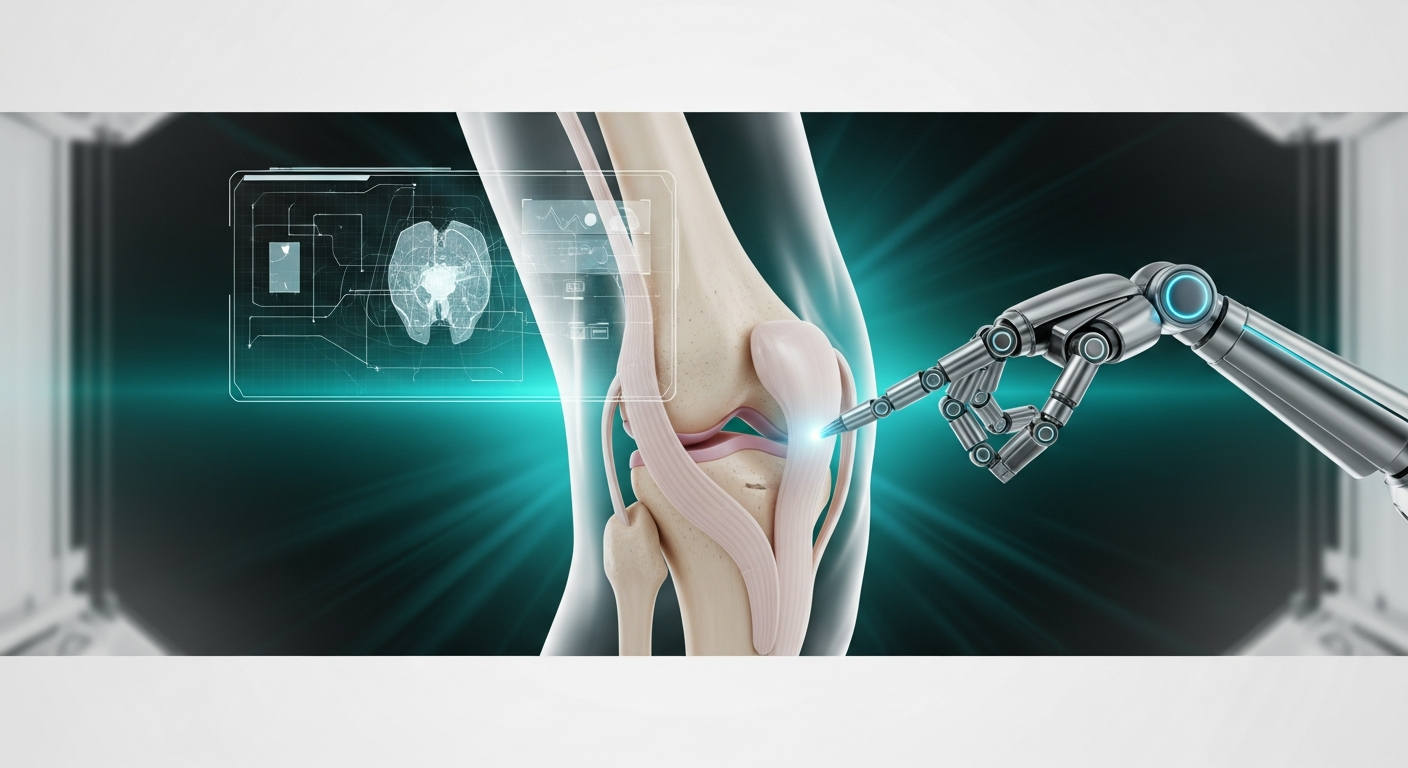
Advancements in medical technology have introduced robotic-assisted knee replacement surgery. This modern approach allows surgeons to perform procedures with enhanced precision and control.
Robotic systems create a detailed 3D model of the patient’s knee before surgery. This enables surgeons to plan implant placement accurately and preserve healthy tissues.
Benefits of robotic knee replacement include:
Greater surgical precision
Personalized treatment planning
Reduced damage to surrounding tissues
Faster recovery times
Because of these advantages, many patients looking for knee replacement in Punjab prefer robotic-assisted procedures.
When Should You Consult a Knee Surgeon in Punjab?
Many people live with knee pain for years, hoping it will improve with rest or medication. However, delaying medical consultation can worsen joint damage and make treatment more complicated. Recognizing the right time to seek professional help is essential for protecting long-term joint health.
If knee pain persists for several weeks and begins to interfere with daily activities, it may be time to consult an orthopedic specialist. An experienced knee surgeon in Punjab can evaluate the condition of your knee joint and recommend the most appropriate treatment options.
You should consider visiting a doctor if you experience the following symptoms:
Pain That Does Not Improve With Medication
Occasional knee pain may improve with rest or pain relief medications. However, if the pain continues even after taking prescribed medicines, it could indicate advanced joint damage.
Difficulty Performing Everyday Activities
When simple tasks such as walking, climbing stairs, sitting, or standing become painful, it may signal that the knee joint is no longer functioning properly.
Visible Changes in Knee Alignment
In some cases, arthritis can cause the knee joint to become misaligned, resulting in bowing or abnormal leg positioning. This may require medical evaluation and possible surgical treatment.
Reduced Range of Motion
If you cannot fully bend or straighten your knee, it may indicate cartilage damage or joint stiffness that requires specialized care.
Early consultation allows doctors to diagnose the problem before the joint deteriorates further. Patients exploring treatment options such as knee replacement in Punjab benefit from early diagnosis and personalized treatment planning.
If knee damage becomes severe and conservative treatments fail, an experienced orthopedic specialist can guide patients toward the best knee replacement in Punjab, helping them regain mobility and live a pain-free life.
When Should You Consult a Knee Surgeon in Punjab?
Many people live with knee pain for years, hoping it will improve with rest or medication. However, delaying medical consultation can worsen joint damage and make treatment more complicated. Recognizing the right time to seek professional help is essential for protecting long-term joint health.
If knee pain persists for several weeks and begins to interfere with daily activities, it may be time to consult an orthopedic specialist. An experienced knee surgeon in Punjab can evaluate the condition of your knee joint and recommend the most appropriate treatment options.
You should consider visiting a doctor if you experience the following symptoms:
Pain That Does Not Improve With Medication
Occasional knee pain may improve with rest or pain relief medications. However, if the pain continues even after taking prescribed medicines, it could indicate advanced joint damage.
Difficulty Performing Everyday Activities
When simple tasks such as walking, climbing stairs, sitting, or standing become painful, it may signal that the knee joint is no longer functioning properly.
Visible Changes in Knee Alignment
In some cases, arthritis can cause the knee joint to become misaligned, resulting in bowing or abnormal leg positioning. This may require medical evaluation and possible surgical treatment.
Reduced Range of Motion
If you cannot fully bend or straighten your knee, it may indicate cartilage damage or joint stiffness that requires specialized care.
Early consultation allows doctors to diagnose the problem before the joint deteriorates further. Patients exploring treatment options such as knee replacement in Punjab benefit from early diagnosis and personalized treatment planning.
If knee damage becomes severe and conservative treatments fail, an experienced orthopedic specialist can guide patients toward the best knee replacement in Punjab, helping them regain mobility and live a pain-free life.
Conclusion
Knee pain should never be ignored, especially when it begins to interfere with everyday life. Recognizing the early signs of severe knee joint damage can help patients seek timely treatment and prevent further complications.
Persistent pain, stiffness, swelling, and difficulty performing daily activities may indicate advanced arthritis or joint damage that requires medical attention.
Modern advancements such as robotic-assisted surgery have made knee replacement procedures safer and more precise than ever before.
Consulting an experienced knee surgeon in Punjab can help determine the best treatment plan based on individual needs.
Patients looking for the best knee replacement in Punjab can achieve long-lasting relief from knee pain and regain their mobility through advanced knee replacement surgery.
Frequently Asked Questions
Q. What are the early signs that you may need knee replacement surgery?
Persistent knee pain, swelling, stiffness, difficulty walking, and reduced mobility are common early signs.
Q. When should you consider knee replacement surgery?
When knee pain affects daily activities and non-surgical treatments no longer provide relief.
Q. How long does knee replacement surgery take?
The procedure typically takes about 1 to 2 hours depending on the patient’s condition.
Q. How long does recovery take after knee replacement?
Most patients return to normal activities within 6 to 12 weeks with proper rehabilitation.
Consult Dr. Parampreet Singh Nagpal
Book a consultation for advanced robotic knee replacement surgery in Bathinda.
Call: +91 98555-63355