-
 +91 98551-63355
 - nagpaljointclinic@gmail.com
+91 98551-63355


.png)


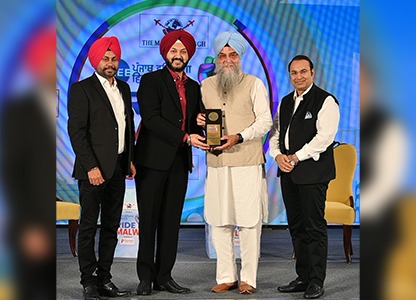
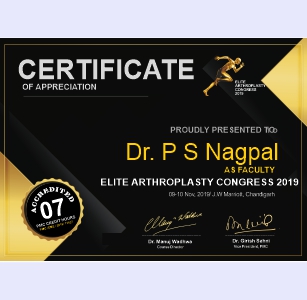
Dr. Parampreet Singh Nagpal is Northern India's first joint surgeon who operate with 2 different joint robots under one roof. One is Cuvis by Maxx Meril(Punjab’s first fully Active Joint Robot) and another one is Cori by Smit & Nephew(Semi Active Joint Robot). Now patients have 6 different implant options to choose from with 2 Robots. Nagpal Hospital's hardworking Orthopedic team has done more than 13000 successful Joint Surgeries.

Surgery heals the joint. But what you eat after surgery determines how fast — and how completely — your body rebuilds around that new joint. Think of your body as a construction site after knee replacement: the robotic surgery has placed the new foundation, but your nutrition provides the raw materials — protein for tissue repair, calcium for bone integration, vitamins for wound healing, and fluids for circulation.
At Nagpal Robotics in Bathinda, Dr. Parampreet Singh Nagpal advises every patient on post-surgery nutrition. Here's the complete guide — adapted for everyday Punjabi food habits.
Protein is the building block of every tissue in your body. After surgery, your body needs significantly more protein to repair the surgical site, rebuild muscle mass lost during inactivity, and support immune function.
The new implant bonds to your bone through a process called osseointegration. Adequate calcium and Vitamin D are essential for this. Dr. Nagpal prescribes calcium and Vitamin D supplements after surgery, but dietary sources support this further.
Vitamin C is essential for collagen synthesis — the structural protein that heals your wound and supports surrounding soft tissue. Deficiency in Vitamin C slows wound healing significantly.
Even with robotic surgery's reduced blood loss, some blood is always lost during knee replacement. Iron helps rebuild haemoglobin levels for energy, recovery, and wound healing. Iron deficiency (anaemia) is very common in women in Punjab and should be specifically addressed after surgery.
Post-operative swelling is normal after knee replacement. Certain foods have natural anti-inflammatory properties that help manage this swelling from the inside:
Many knee replacement patients in Punjab also have diabetes. Blood sugar control is critical during recovery — elevated blood sugar slows wound healing and increases infection risk. Diabetic patients should:
Q: Can I eat non-vegetarian food after knee replacement surgery?
A: Yes. Chicken, eggs, and fish are excellent protein sources and actively support healing. Non-vegetarian patients should eat them regularly during recovery. Avoid red meat in large quantities as it is more inflammatory.
Q: How much water should I drink after knee replacement surgery?
A: At least 2.5 to 3 litres per day. Adequate hydration is essential for blood clot prevention (you're on blood thinners post-surgery), kidney health (medications are processed through kidneys), wound healing, and general recovery.
Q: Will eating well really make a difference to my recovery?
A: Absolutely. Patients with good nutritional status heal wounds faster, regain muscle strength more quickly, have lower infection rates, and return to functional activity sooner. Nutrition is as important as physiotherapy in post-surgery recovery.
Get complete pre and post-surgery guidance from Dr. Parampreet Singh Nagpal at Nagpal Robotics Bathinda — Punjab's leading robotic knee replacement centre.
Book Consultation +91 98551-63355Powered by Nagpal Robotics @2026
Created With ❤️ By Digital Dots